One point of contact

What we cannot make ourselves, we arrange.

SLA, SLS, metal and heavier machining run through a fixed partner network. You keep one point of contact, and the quality control stays with us.

A job rarely falls neatly inside one technique. A housing can be printed, but the shaft has to be turned; a prototype needs a smooth SLA finish while the bracket under it belongs in composite. Sort that out yourself and you call three suppliers, get three lead times, and get to work out who is right when something does not fit.

Here it goes differently. You explain the job once. We make what our own machines can make and place the rest with fixed partners, under the same requirements as our own work. You get one point of contact, and we watch the quality across the whole job, from first question to delivered part.
Who does what

Own machines, and a network around them.

What happens here

Our own 3D printing (FDM) in engineering materials: composites and high temperature polymers, with the checks that go with it. That is the work we stand behind ourselves.

What runs through the network

SLA and SLS for fine or powder based parts, and metal, turning and heavier machining. We pick the partner, pass on the requirements and check what comes back.

Certification

If it has to be certified or inspected, we source that from a certified partner, with the paperwork that comes with it. What we print ourselves is not covered by that.

Seen here

Our own work and partner work.

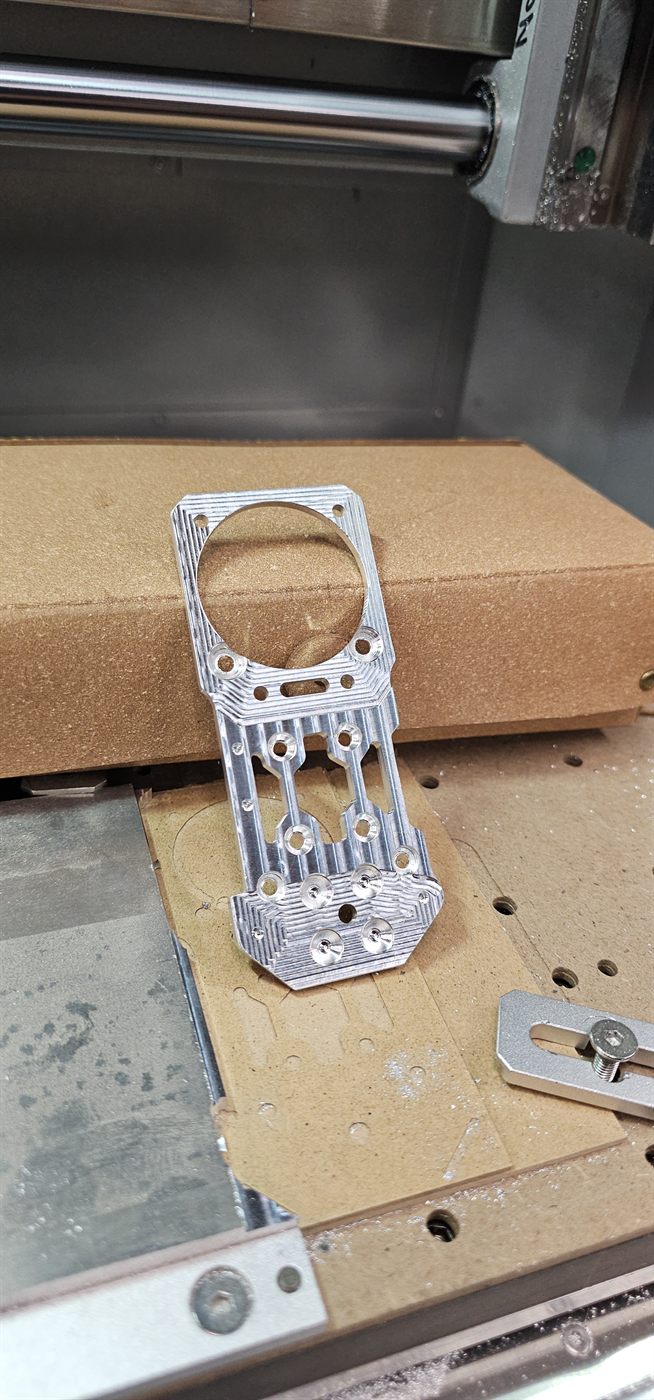
Machined aluminium tool plate, clamped in the milling machine.
Tool plate, machined through the partner network.
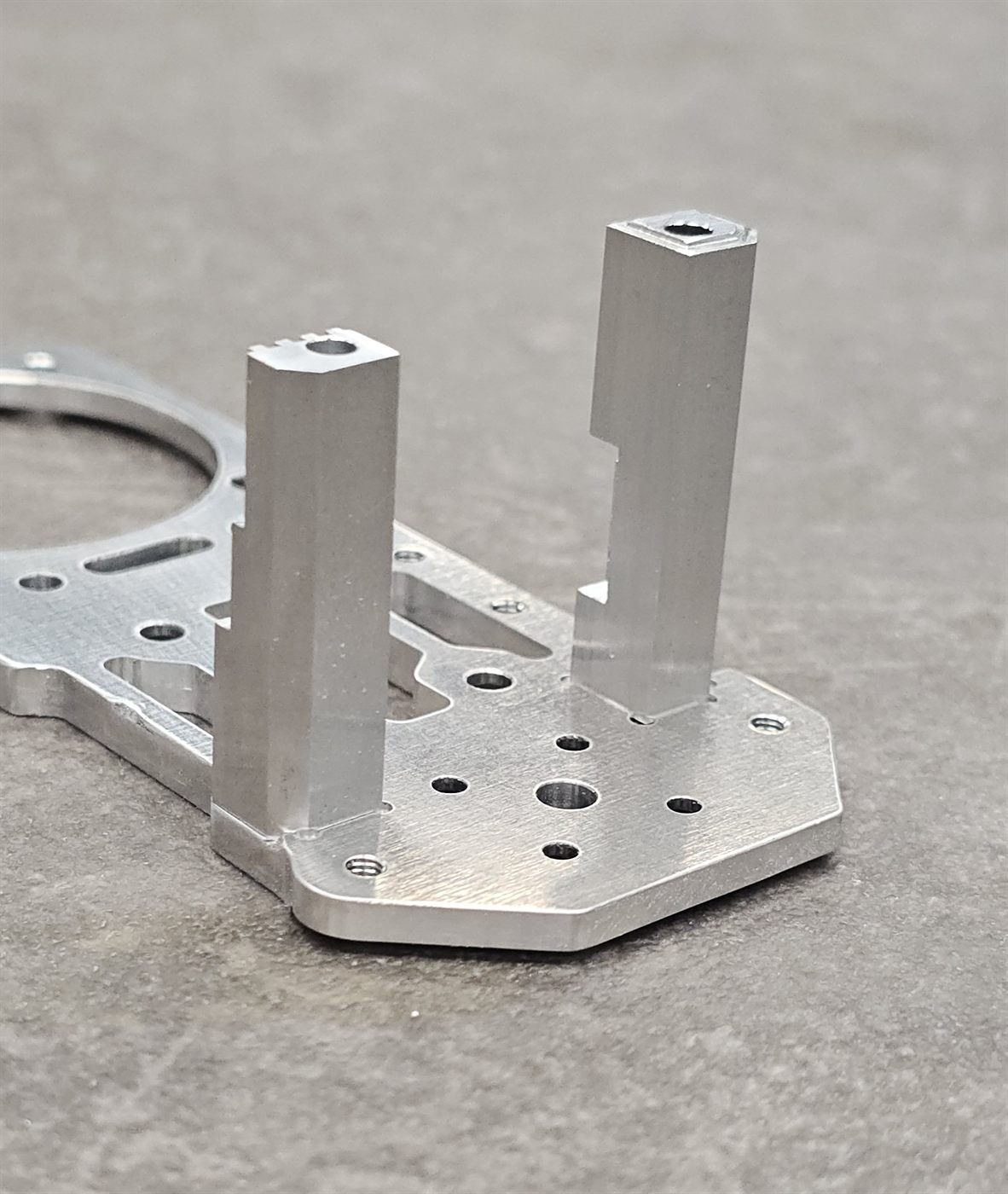
The finished tool plate.
The same plate, finished.
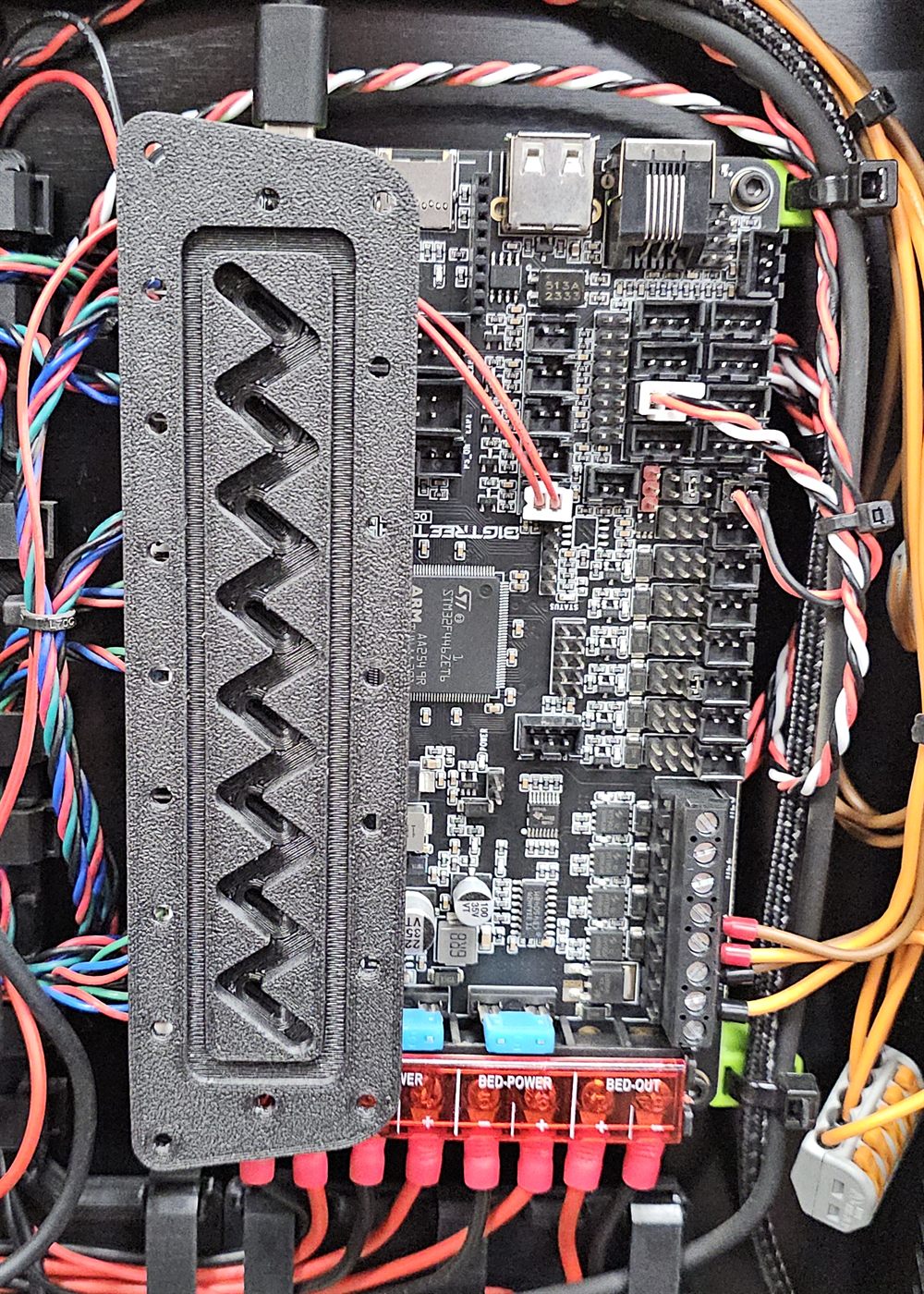
Black printed mock-up of a water block.
Water block, designed in house: the black mock-up, printed in house.
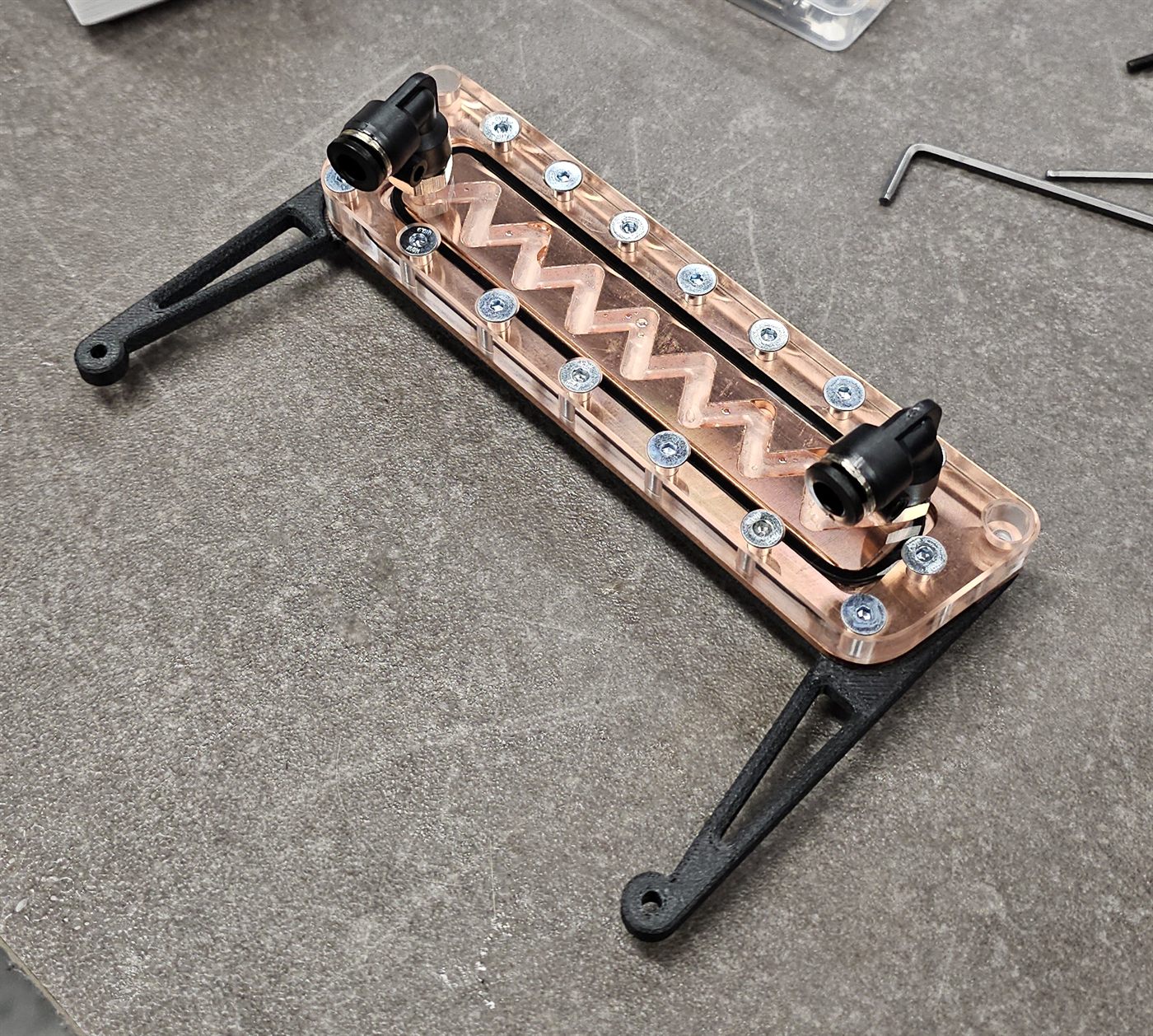
The finished water block with milled copper, fitted and connected.
The same water block, the copper milled by our partner, fitted and connected.

Typical work: an assembly where printed and machined parts meet, a prototype that has to look smooth but be strong, a series where part of it belongs in metal, and a repair where a printed piece has to fit a turned one.

Send your file or a photo with dimensions and say what the whole thing has to do. You will hear what we make ourselves, what runs through the network, and what that means for the planning. If in doubt we will also simply say that something is better made elsewhere.

A job that needs more than one technique?

Email your file or a photo with dimensions to info@nworks3d.be and you will hear how the whole thing gets made.