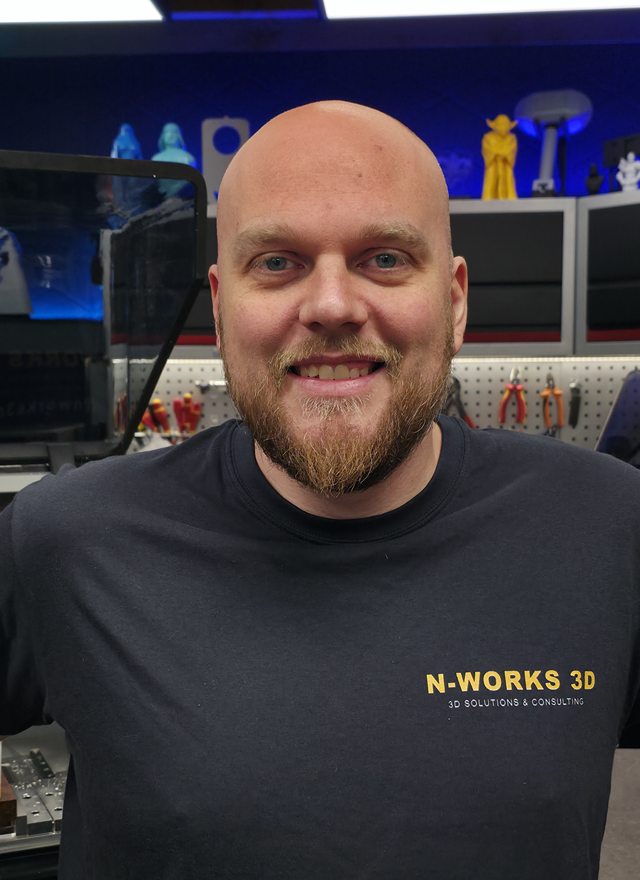
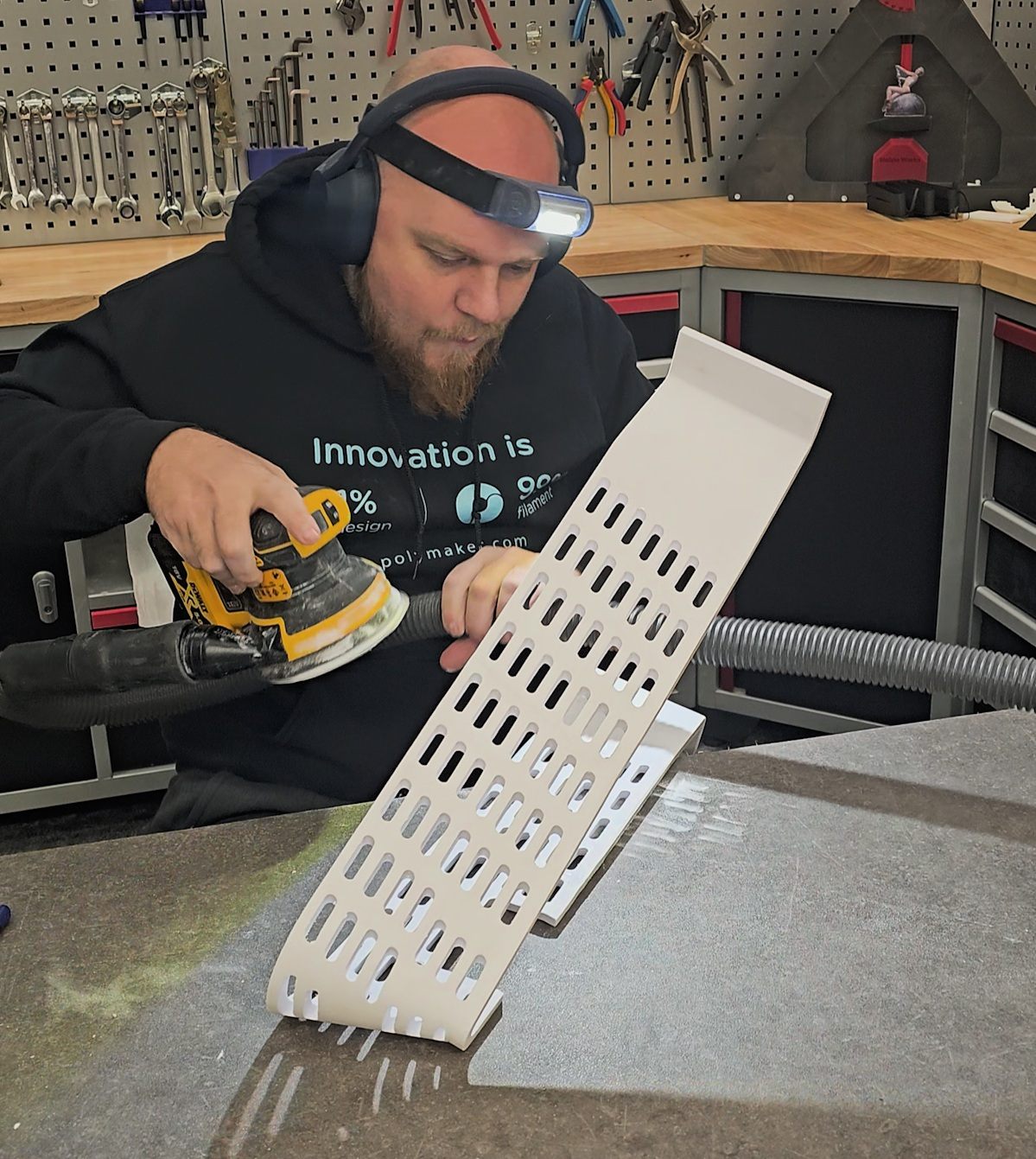
I started purely because making things myself looked like fun.
It grew into a passion for the engineering itself: how a machine works, where it falls short, and how you make it better. I build my machines myself and keep them open.
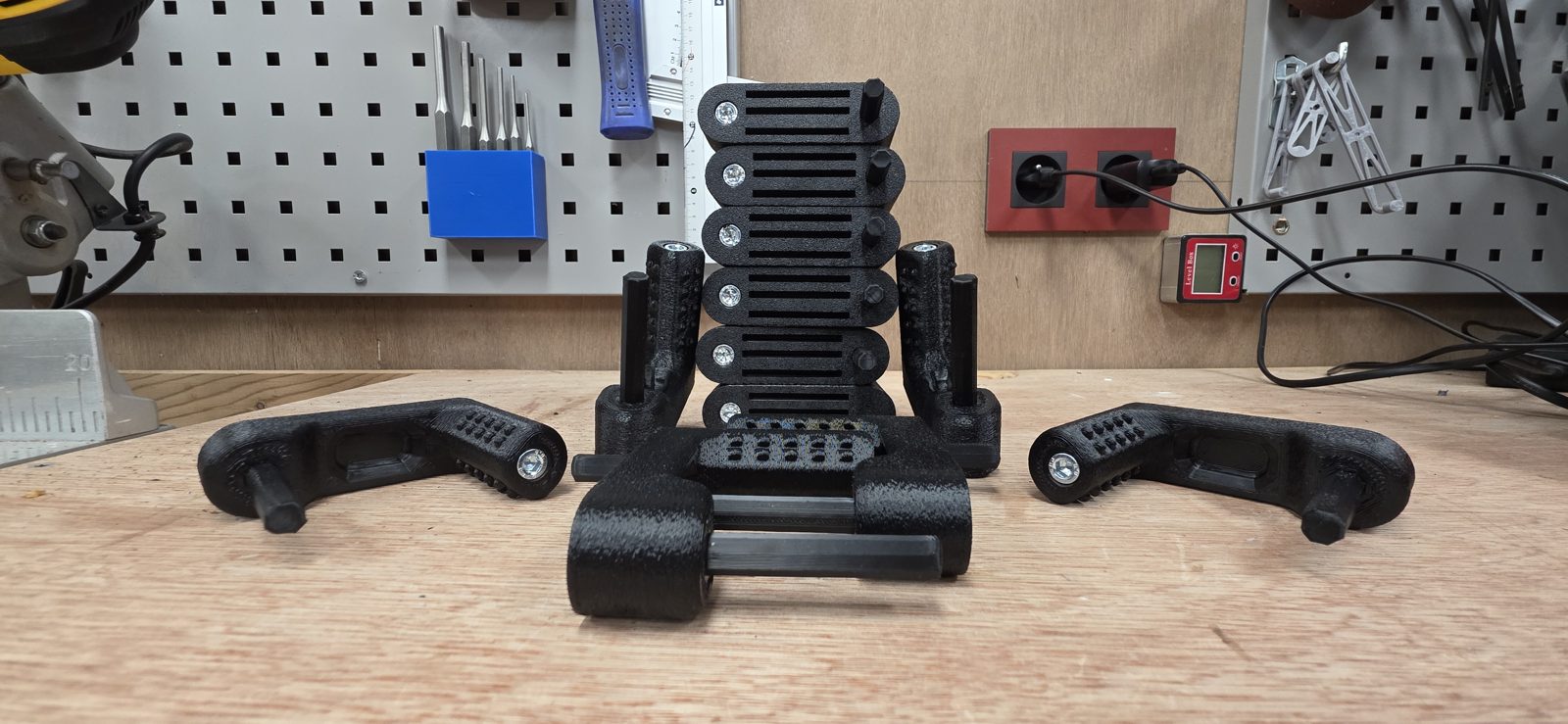
I am an electromechanical technician myself. I know what downtime costs. That is why what leaves here has to do something: carry, seal, fit, turn.
The story
From boredom to workshop.
N-Works 3D did not start with a business plan, but with boredom. I bought a 3D printer to print a few odds and ends. Not long after, I was designing parts with it for my own hobby space, and I put that on YouTube.
The channel grew. Manufacturers asked whether I would test their printers, and that way I got to see quite a few of them, inside and out. Open source became a passion, and today I talk about it with a group of people who are just as crazy about it. Recently AI came along, as a tool for writing my own software and firmware.
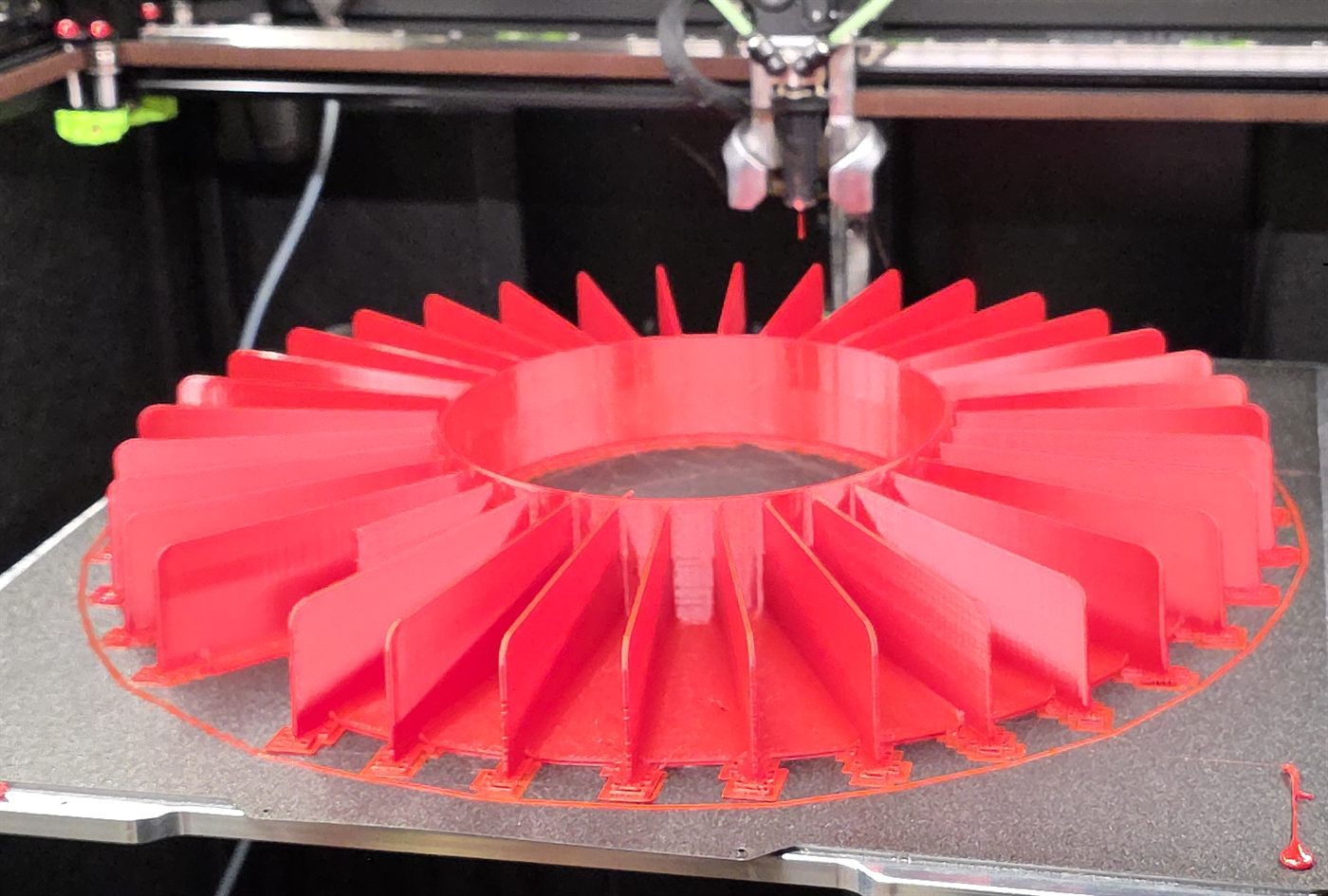
And then there was the industry. Too often I saw prints that carried a hefty premium while the quality did not match it. That made me raise my eyebrows. It has to be possible to do better, and that is what I am trying to make happen now.
What I really do it for is the moment a customer gets the part in their hands and looks surprised. Or when someone tells me they did not have to rework a thing before they could carry on with it. To me a print is more than a pile of plastic. There is engineering and passion in it, and in the end it simply has to work.
On YouTube I share whatever keeps me busy, with or without a printer. I talk there like I would to a friend: unfiltered, in good times and bad. So expect some strong language now and then.
Visit the YouTube channel
Where my know-how comes from
I am part of the open-source side of 3D printing, where people build, modify, criticise each other's work and learn from each other. What interests me is the engineering: what a machine can really do and where it goes wrong. Milling is part of it now: I make small numbers of prototypes myself, and real production runs go through the partner network.